A local business owner helping other local business owners get found.
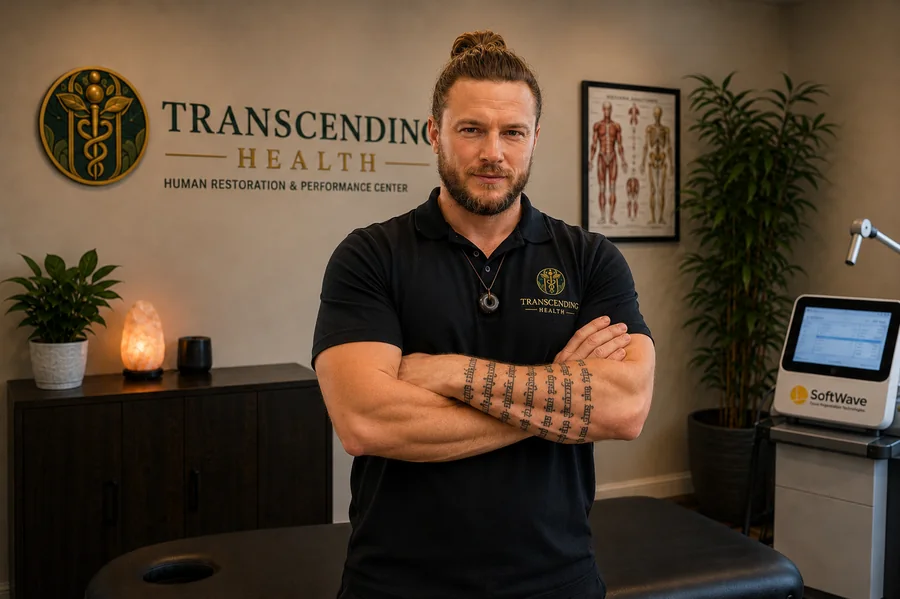
STANDBY Local is run by Drew Edmondson, who also owns a wellness center in Charlottesville. He handles the website, Google, phone and follow-up work that eats an owner's evenings, so your customers can find you and reach you.
Drew Edmondson
Drew builds and manages websites, Google Business Profiles, AI phone answering and follow-up systems for businesses in Charlottesville and Central Virginia.
He opened Transcending Health, a Charlottesville wellness center, in 2018, so he knows how fast the business side can crowd out the work you actually care about.
I know the pressure because I live it too.
Running Transcending Health means juggling appointments, staff, questions and follow-up on top of the work people come in for. Everything STANDBY builds is something I'd want in my own business: easy to understand, honest about what it does, and built to give you time back.
STANDBY works best for owners who are already good at what they do. When the work is good, being found is usually the missing piece. That's the piece we handle.
One local partner instead of five vendors.
Your website, Google profile, phone line and follow-up all decide whether a customer picks you. STANDBY looks after them together, so nothing gets lost between vendors who never talk to each other.
Get found
Local SEO, your Google Business Profile, reviews and a website that matches the quality of your work.
See local SEO →Stop missing calls
AI phone answering, missed-call texts and follow-up, so inquiries don't slip away while you're busy.
See AI reception →Stay visible
Monthly social posts and Meta ads. You approve everything before it goes out.
See social content →Simple systems you can understand and keep.
We start with whatever is costing you the most customers. Every recommendation comes with a plain reason, a clear price and a way to tell if it's working.
- Honest numbers: we tell you what's measured and what's an estimate.
- You own it: your domain, accounts and data stay in your name.
- A person in charge: automation handles routine tasks; Drew handles judgment calls.
- Tested end to end: from the first search to the call, booking and follow-up.
- No mystery: you'll always know what was built and why.
No fake reviews. No ranking promises.
STANDBY doesn't invent reviews, pass off estimates as results or promise a spot on Google. Client work shows up on this site only with the client's permission, and any number we share says whether it was measured or projected.
Not sure where to start? Talk to Drew.
Most owners start with a free 15-minute call. Tell Drew what's frustrating you, and you'll leave knowing what to fix first. If you'd rather look around on your own, the free scorecard is ten quick questions with no email required.